
Why Traditional Content Isn’t Working for SaaS and How a Podcast-First Model Fixes It
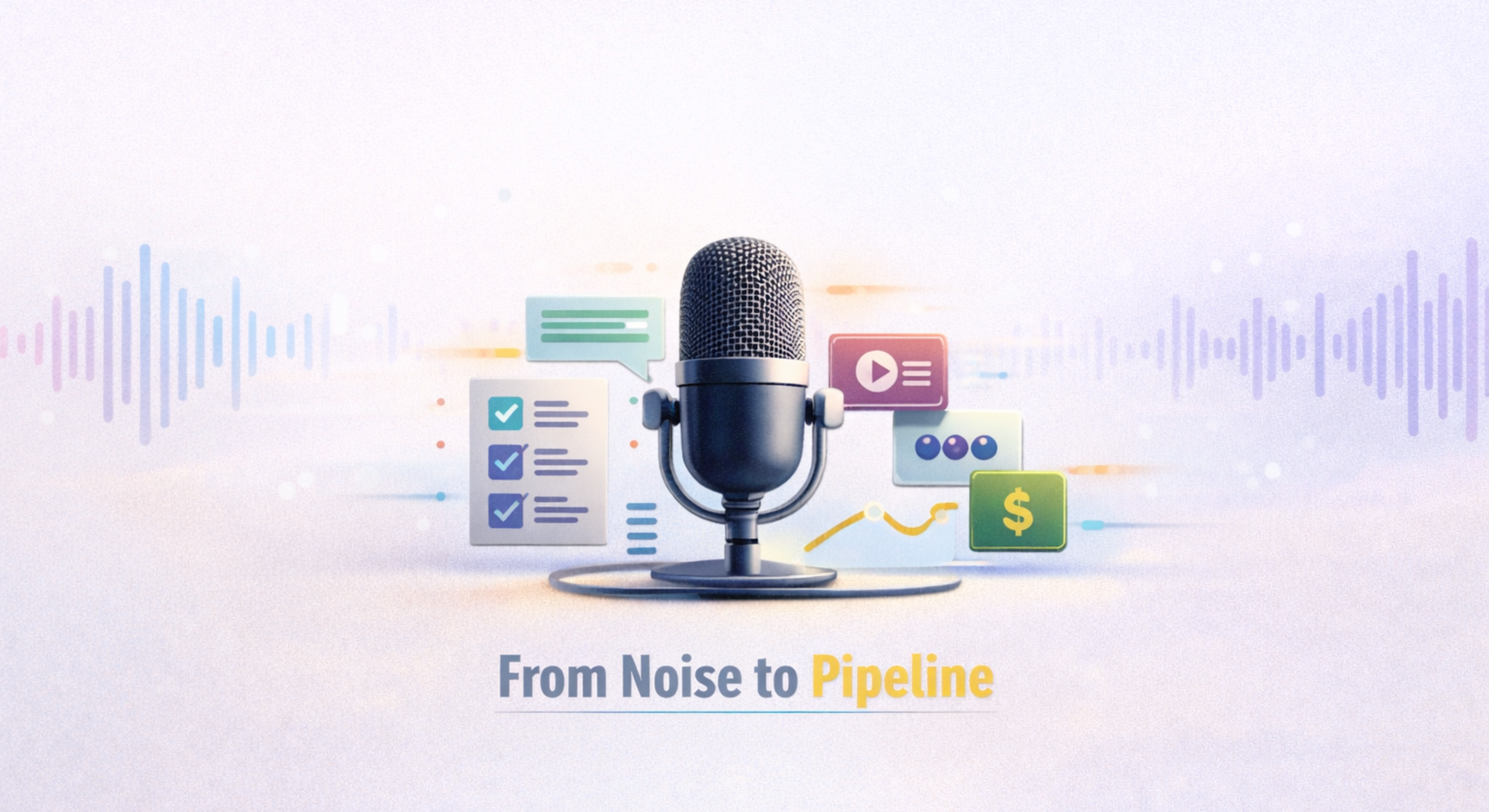
B2B SaaS teams are producing more content than ever, yet seeing less impact from it.
Blogs go unread. LinkedIn posts disappear in hours. Gated assets convert poorly. And every brand seems to be publishing the same SEO-optimised articles written for algorithms rather than people.
We have entered a content saturation crisis.
The problem isn’t effort. It’s differentiation and trust.
As AI floods the internet with low-quality, generic content, buyers have become more selective about what they pay attention to and who they trust. The result?
· Rising Customer Acquisition Costs (CAC)
· Declining engagement across channels
· Longer sales cycles
· Lower trust in “marketing content”
For SaaS companies competing in crowded categories, this is costly. If you can’t build authority quickly and credibly, you lose mindshare and eventually, market share.
In this post, we’ll break down why the old content model is broken and how a Podcast-First approach fixes both your distribution and pipeline problems by design.
Why the “Old Way” of Content Marketing Is Broken
The traditional B2B content playbook looks something like this:
Ads → Whitepaper Download → Email Drip → Demo Request → Ghost
On paper, it looks logical. In reality, it fails for three core reasons.
1. It Lacks Human Trust
Forms, gated PDFs, and automated funnels feel transactional and impersonal. Today’s buyers don’t want to be “captured” - they want to be understood.
Trust is built through conversation, not conversion forms.
2. It’s Easy to Ignore
Decision-makers are overwhelmed. Cold emails, automated LinkedIn sequences, and generic thought leadership blend into the background noise.
When everything looks the same, nothing stands out.
3. It Doesn’t Scale Sustainably
Producing high-quality, original content for every platform - blogs, LinkedIn, newsletters, landing pages from scratch is expensive and exhausting.
Most GTM teams can’t sustain this pace without burnout or diminishing returns.
The outcome is predictable: more content, less impact.
In a world where AI can generate infinite written content, real conversations become the rarest and most valuable asset. Podcasts create trust that algorithms can’t fake because they’re rooted in real human relationships.
At Reo, we don’t see a podcast as “just another content format.”
We see it as your warmest outbound channel.
A podcast gives you strategic access, the ability to start conversations with the exact people you want to sell to. Conversations that might take months of cold outreach now happen weekly, by invitation.
That’s the power of a Podcast-First model.
From Content Creation to Content Leverage
The biggest shift in a Podcast-First approach is moving from content creation to content leverage.
Instead of asking:
“What should we post this week?”
You ask:
“What conversations should we have?”
Everything else flows from that.
How the Podcast-First Content Engine Works
At the core of this model is what we call the Content Multiplier Effect:
One high-quality conversation → 20+ high-trust assets.
Here’s how it works in practice.
Step 1: Record the Hero Asset
Start with a 45-60 minute deep-dive conversation with a guest selected from your exact ICP founders, operators, buyers, or partners you want access to.
This is the Podcast Path:
Invite → Conversation → Trust
No pitching. No selling. Just meaningful dialogue.
Step 2: Video Slicing for Distribution
From a single episode, extract 3-4 high-impact vertical clips optimized for:
· YouTube Shorts
· Other short-form channels
Seeing and hearing a founder builds familiarity and trust at scale far more effectively than text alone.
Step 3: Text Distillation for Authority
The full transcript becomes:
· A long-form, SEO-optimized blog post
· Multiple LinkedIn posts or carousels
· Email copy for nurturing and follow-ups
This ensures your voice shows up everywhere without creating everything from scratch.
Step 4: Sales Enablement That Actually Helps Deals
This is where most agencies stop and where Reo goes further.
Each episode is turned into:
· Context-rich follow-up messages
· Personalized outreach for similar accounts
· Assets sales teams can use to reopen conversations
The content doesn’t just build awareness, it moves deals forward.
Results That Matter: Pipeline, Not Downloads
Downloads are a vanity metric in B2B. They look good on reports but rarely correlate with revenue.
As a B2B podcast production services partner, Reo measures success differently:
· Number of meaningful conversations started
· Quality of target accounts engaged
· Pipeline influenced and accelerated
Using this model, Reo has helped B2B SaaS teams add $1.2M+ in pipeline within eight months not by chasing virality, but by building trust at scale.
We’re not editors.
We’re growth partners.
The Future Belongs to Founders Who Own Their Voice
The old way of content marketing is fading.
The future belongs to founders and GTM teams who:
· Own their narrative
· Invest in conversations over clicks
· Build trust before asking for a sale
A Podcast-First model isn’t about doing more marketing.
It’s about doing better, more human marketing and letting leverage do the rest.
Ready to Turn Your Podcast Into a Pipeline Engine?
Execution matters more than perfection. Consistency beats complexity.
If you’re ready to stop publishing content that gets ignored and start building a system that creates real conversations and real pipeline, we should talk.
[Book a Reo Strategy Audit] and see what a podcast-first content engine could look like for your business.